

I’m Ragnhild Gya, a postdoc passionate about understanding how plants respond to climate change. Here’s what I learned during a collaborative stay at the University of Gothenburg.
Spending a research stay at the University of Gothenburg was a fantastic experience that allowed me to work with an incredibly inclusive, social, and kind group of researchers. During my time there, I focused on advancing a meta-analysis for the International Tundra Experiment (ITEX) project. This global initiative investigates the effects of experimental warming on alpine and Arctic plant communities using open-top chambers (OTCs). My work aimed to identify the “winners” and “losers” among plant species in response to warming and explore whether functional traits can help predict these dynamics in other ecosystems. During my stay me and Katrín mostly worked on data cleaning and first initial data analysis for this project. The project is as fascinating as it is relevant, given the rapid pace of climate change and its profound effects on these sensitive environments.
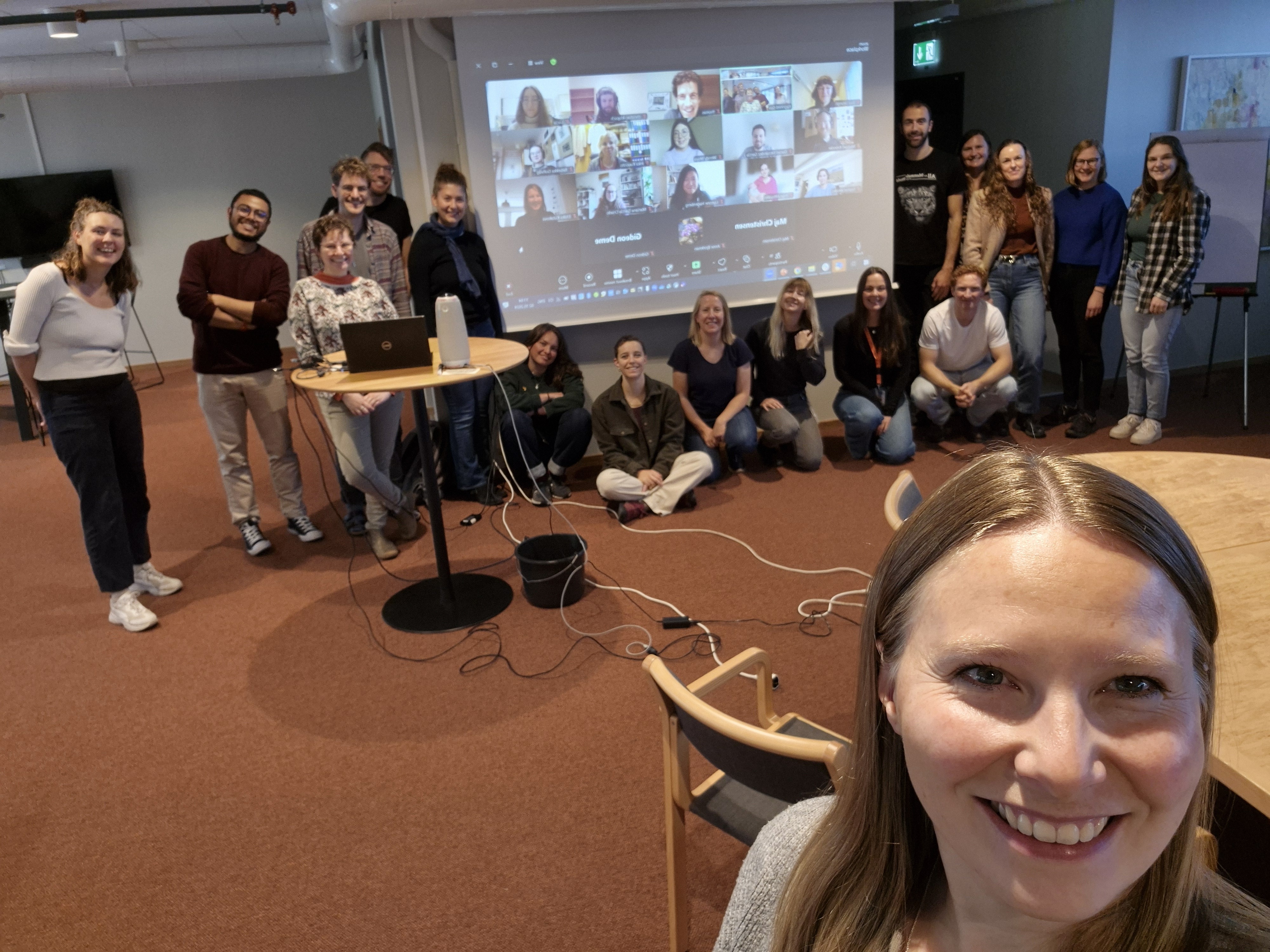
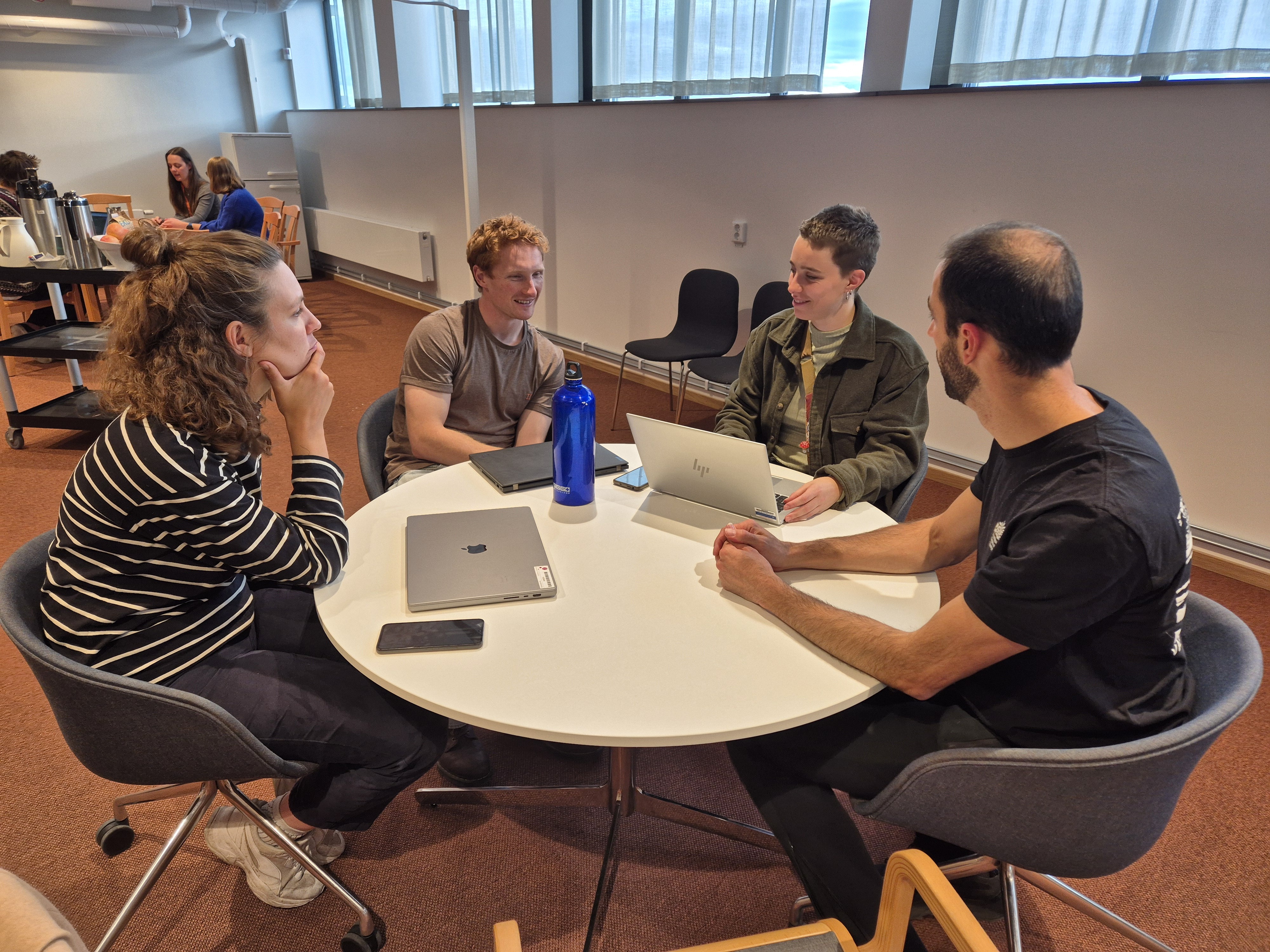
In addition to research, I had the exciting opportunity to host and organize a workshop for early-career researchers (ECRs) in Arctic and alpine trait ecology. Sponsored by the Nordic Ecological Society OIKOS, the workshop brought together a diverse group of ECRs from the Nordic countries to discuss their work, build networks, and share knowledge. We explored topics such as using traits to predict plant responses to global change and understanding the consequences of trait changes for biodiversity and ecosystem functioning. The event featured a hybrid format with in-person and online participation, lively discussions, and collaborative brainstorming sessions that highlighted the innovative and collaborative spirit of our field. Organizing this event was both rewarding and inspiring, as it underscored the importance of fostering connections and supporting early-career researchers in ecological science.
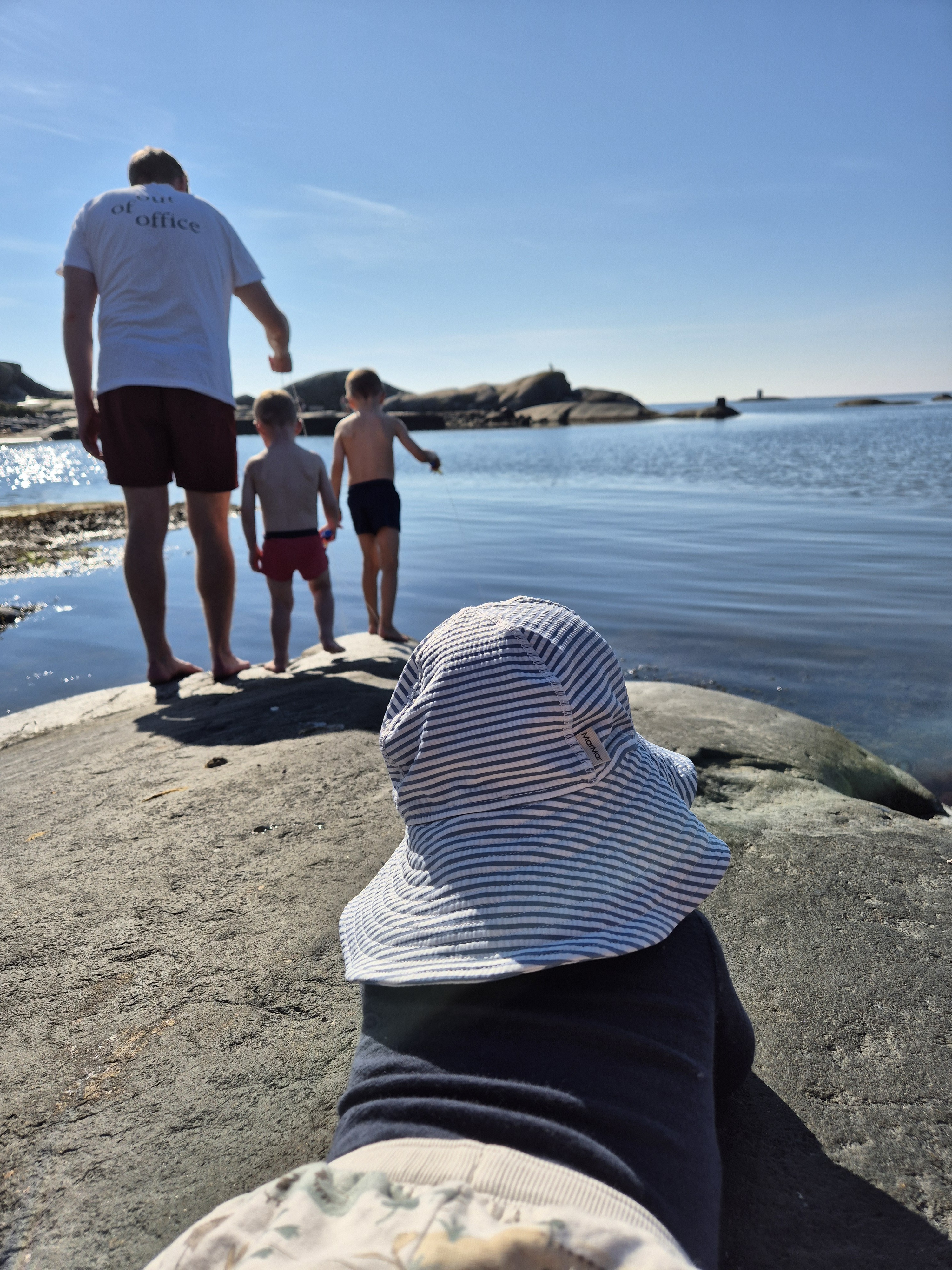
Beyond the academic work, I have to admit that the Gothenburg weather felt like an extended summer compared to the rainy fall back home in Bergen. It was a much-appreciated bonus to my stay, providing a pleasant backdrop to both work and social activities. It’s not every day you get to immerse yourself in groundbreaking research while also enjoying sunny strolls through beautiful city parks! I also brought my family for this research stay – my daughter (7 months) and husband that was on paternity leave. They were also very welcomed by everyone, and joined us for lunch a couple of times, and weekend expeditions to the islands and the coast.
This experience not only advanced my own research but also gave me a glimpse of what it’s like to work within such a welcoming and dynamic research group. For any bachelor students interested in studying plant ecology or global change biology, or researchers considering a research stay with this group, I can wholeheartedly recommend looking into opportunities to join this group at the University of Gothenburg. Their collaborative and inclusive environment makes it an ideal place to learn, grow, and contribute to meaningful ecological research.
 EDGE LAB