

Klara Persgården
I had the pleasure of doing my Bachelor’s thesis in the EDGE lab during the spring semester of 2025. Growing up in the 2000s, climate change has always been an important issue for me, so I knew early on that I wanted my project to include that topic. For my thesis, I investigated the decomposition of plant material in the Arctic. Temperature and moisture are known to regulate decomposition rates on broad spatial scales, but their effects at smaller, microclimatic scales remained uncertain. Therefore, my project explored how microclimatic temperature and soil moisture influence decomposition, with a method using the Tea Bag Index to measure decomposition rates with tea as the plant material. The teabags I got were buried in the ground for a year at three arctic sites: Latnjajaure (northern Sweden), Svalbard and Greenland. They had been placed across different microclimates where temperature and soil moisture were measured. By weighing the tea bags before and after burial, decomposition rate in each area could be calculated.
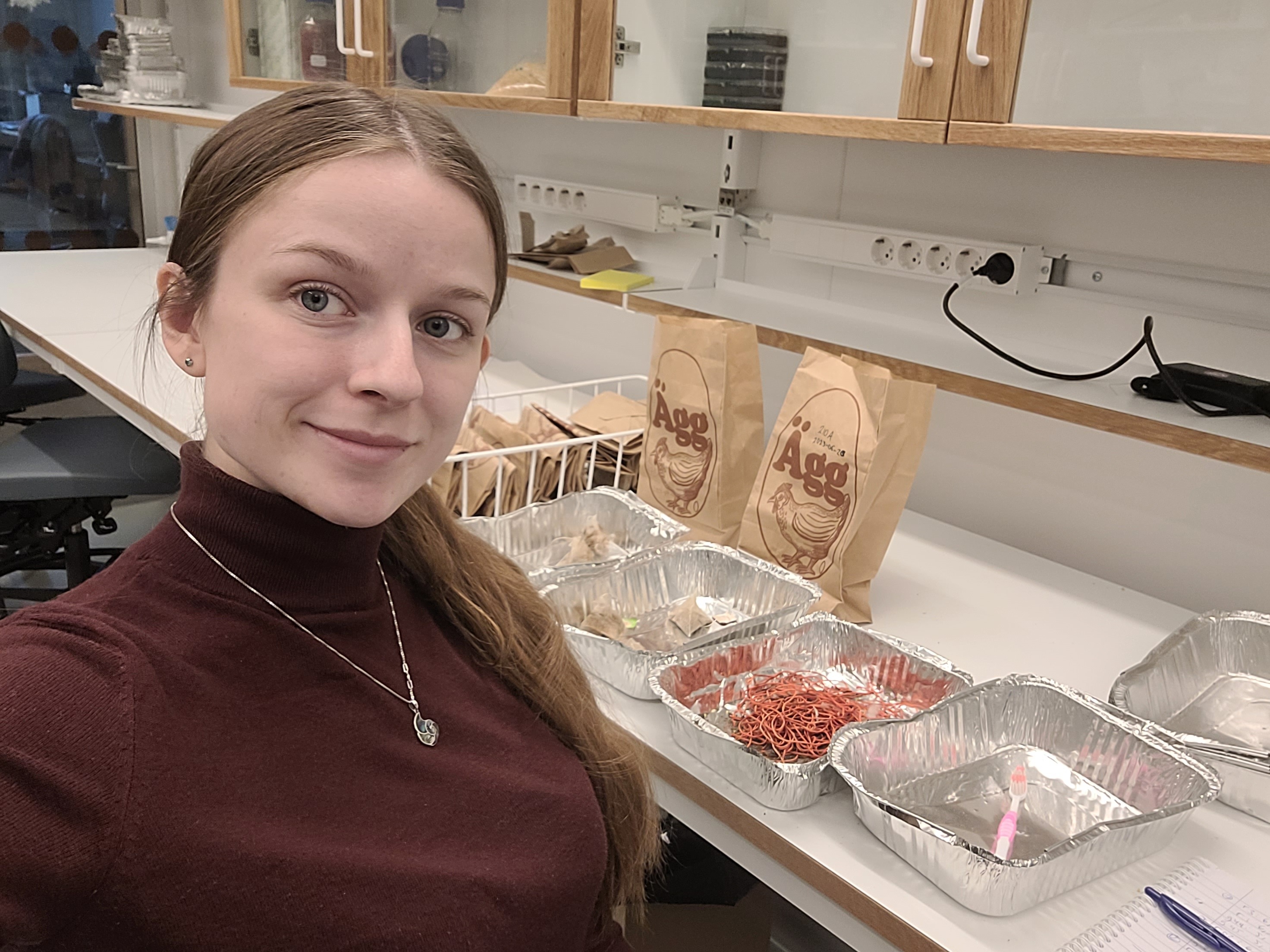
The project began with lab work at Natrium, which has new, modern, comfortable labs. My main task was to clean and weigh nearly a thousand tea bags, a process that turned out to be surprisingly meditative. I often listened to podcasts while carefully brushing off dirt and recording the data. Then I moved on to organizing data in Excel. That’s where I met my first challenge: finding the right files with weights, ID numbers, and burial dates wasn’t always easy. When several people are involved in a long-term project, organization becomes essential. I had to do some detective work to match everything correctly, but with help from the EDGE team, I managed to get all the information in order. My study found that decomposition increased slightly with temperature but was unaffected by soil moisture, suggesting that other factors could explain more variation across arctic sites.
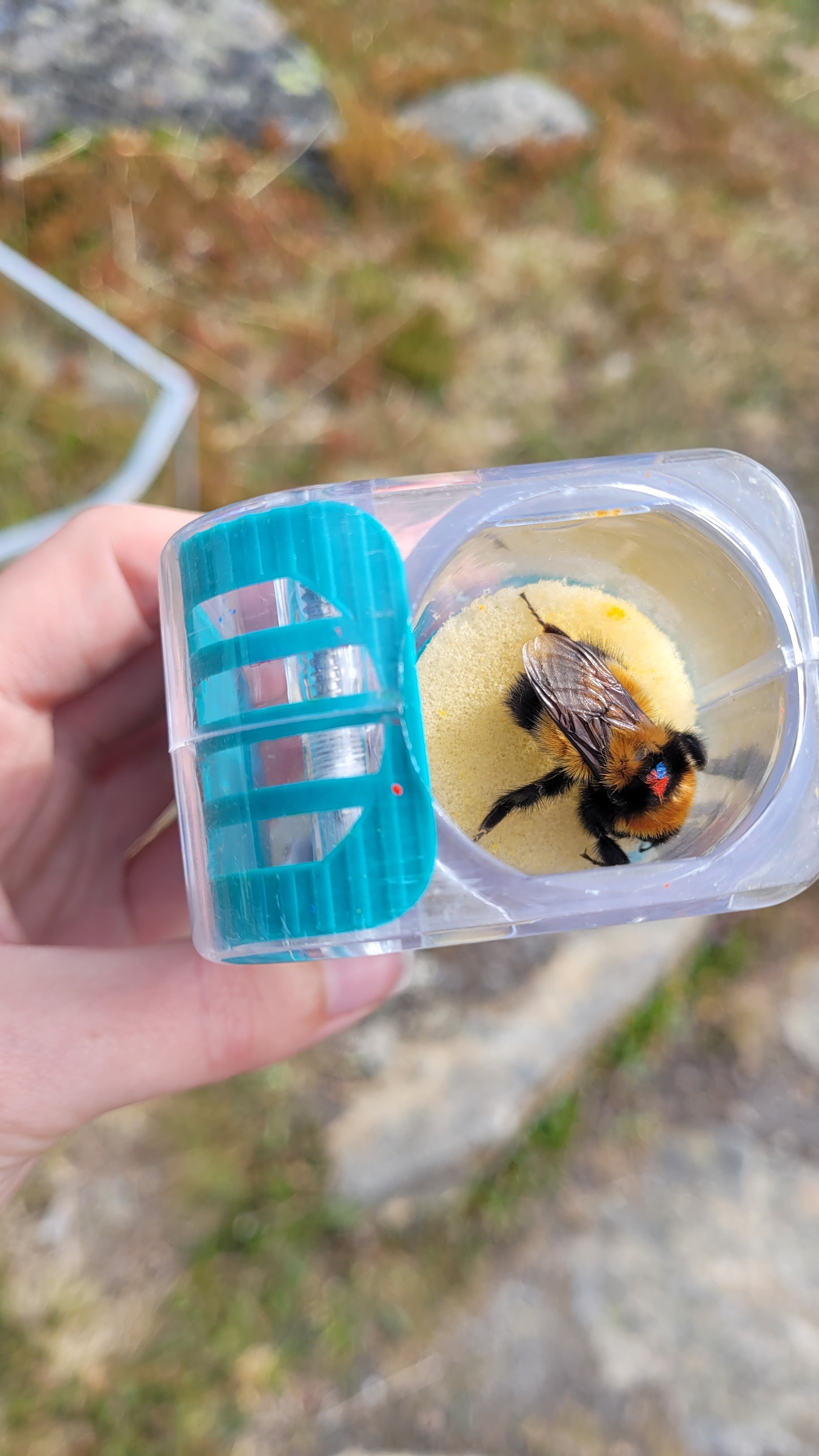
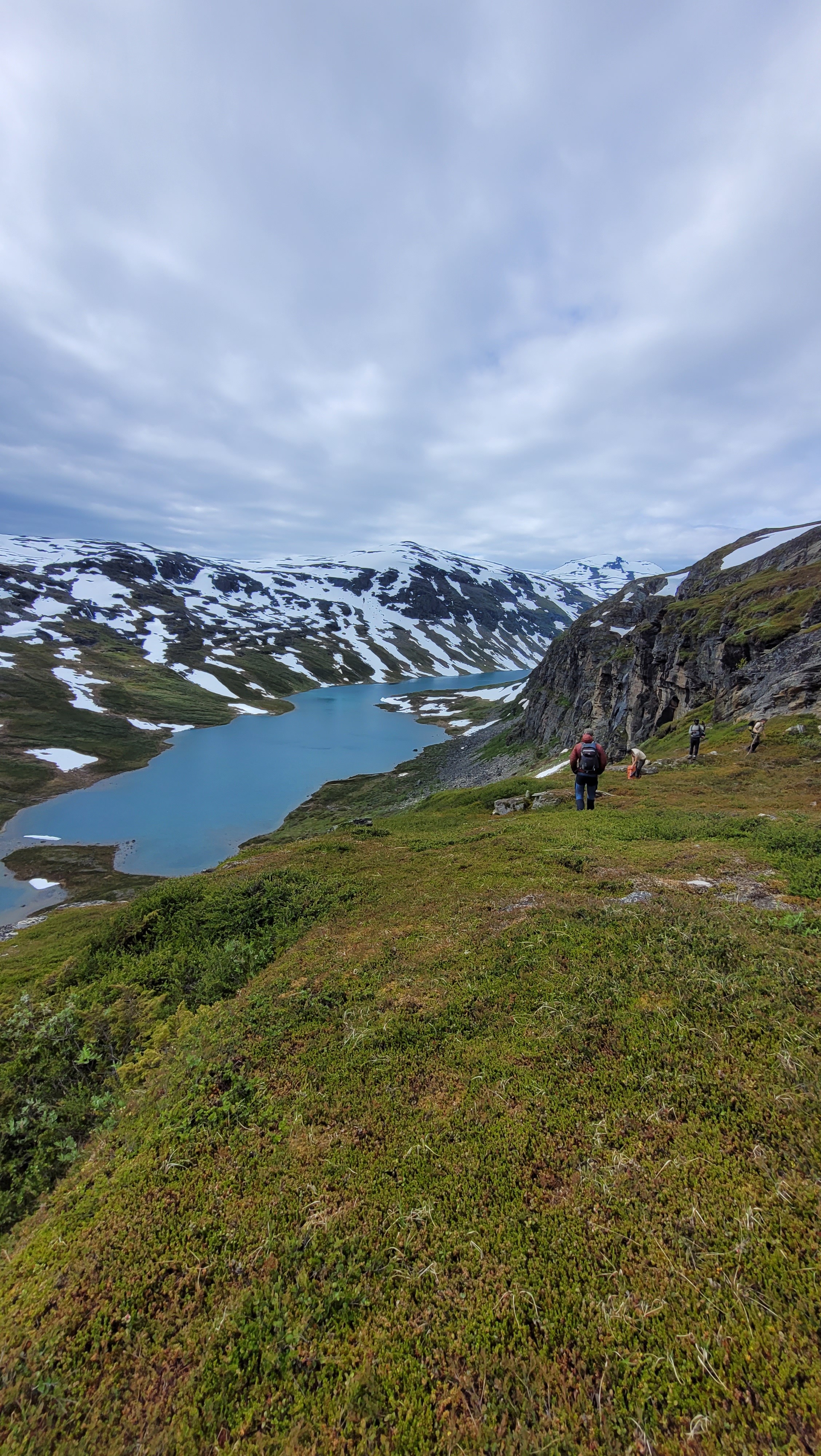
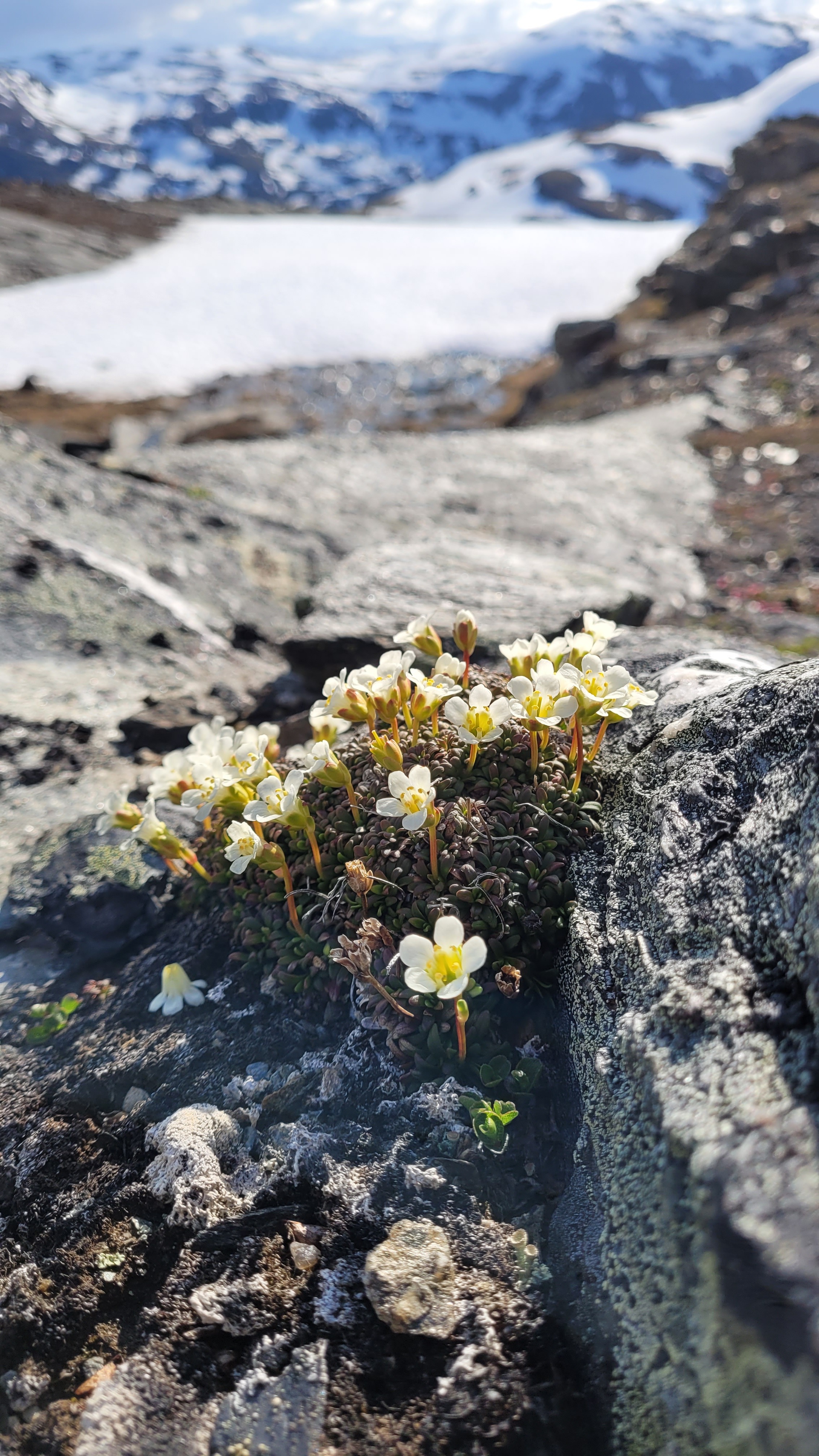
After finishing my project I also got the opportunity to go on an internship with the group to Latnjajaure, to see where my project had taken place and learn about doing experiments in the field. This internship was an incredible experience. The amazing nature of Latnjajaure left me speechless, and I had so much fun living and working with people there. To be outside and experiencing nature while learning about it felt like a dream come true. I learned so much during my stay in Latnjajaure, not only about myself but also how to design experiments in the field and do fieldwork. You don’t need to have the most advanced equipment when doing science in the field. Simple solutions are often cheaper, easier to carry and work just as well. Resourcefulness and flexibility are essential qualities in the field. As always when you are outside working, I learned about so many new species. One wouldn’t think that a landscape covered in snow the majority of the year could have so much biodiversity. This time in Latnjajaure really opened my eyes to the biodiversity, and especially among the bumblebees. Before this I did not realize that there were so many different species of bumblebees living in the Arctic region.
Overall, I am so thankful for all the experiences and knowledge I have gained during this Bachelor’s project and internship. It has only strengthened my wish to work with climate change in the Arctic and I hope to do something similar in the future.
You can find my thesis here
 EDGE LAB