

Bigna Lu Abderhalden
Research Assistant
I am a research assistant in the EDGE group, supporting different projects. My background is in Landscape Planning and Ecology, capturing my broad interests from urban to natural ecosystems including all the socio-ecological interactions going on in them. I’ve always been fascinated by how everything is connected and which role tiny plants play in the landscape. Having spent a lot of time in Northern Scandinavia I fell in love with tundra ecosystems and how flora and fauna can thrive in this harsh environment. In my time off, you find me working on projects with the EuroMAB Youth Network, hiking, baking, or busy with a creative project.
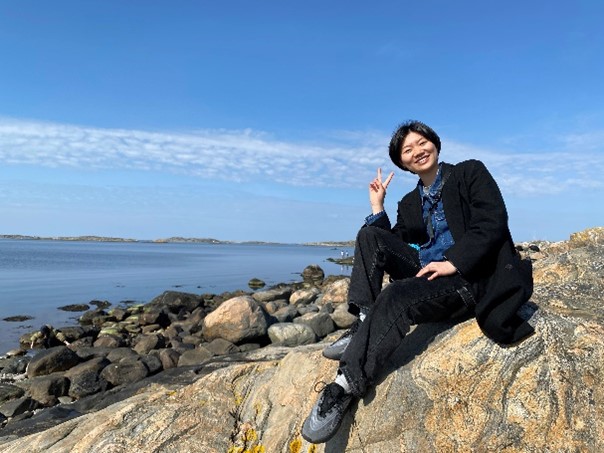
Xiaoyi Wang
PhD Exchange Student
I mainly focus on the impacts of global change factors (such as warming, nitrogen deposition and altered precipitation) on plant functional traits and plant reproductive phenology in high-altitude and high-latitude regions. In particular, I am interested in how intraspecific trait variability contributes to the shifts in functional diversity and changes in ecosystem functions. There are always a lot of wonderful flowers and beautiful scenery in the Tibetan alpine meadow and Artic tundra. I’m really excited to get close to those wonderful plants, as well as some cute wild animals. When I’m not working, you can often find me hiking, enjoying food and watching Chinese costume dramas.
Klara Persgården
Bachelor’s student
I am a biology student doing my thesis project with the EDGE group. My research focuses on how decomposition of plant material varies with small-scale climate in the Arctic tundra, as well as understanding how decomposition would be affected by the rapidly changing climate in the region. There are many things in biology that interest me and I enjoy learning about different organisms and species, but I have always been particularly fascinated by plants. In my free time I love exploring forests or botanical gardens, as I find them both inspiring and good places to have fika in. I believe it is important to study the impact of climate change on our ecosystems and that is what drew me to this group and the project I am currently doing.
Malin Landgren
Masters student
Right now I’m doing my master’s degree in conservational biology and I will do my thesis project with the EDGE group. For my project, I will look at the temperature sensitivity of a plant’s phenology to see how it influences how well the plant copes with climate change. I will observe flowering time and leaf green-up in Greenland and match temperature sensitivity estimations with species abundance data to see if species with greater sensitivity do better with climate warming. Even though I’m doing my masters in biology my heart is truly in ecology and especially with plants. I’ve always had an interest and fascination for the Arctic and alpine environments, mainly because of the beautiful and untouched nature but also for how organisms, especially plants, have been able to adapt to such harsh living conditions. Except for my interest in arctic environments, I’m also keen on Swedish grassland flora and management. In my spare time, you often find me in the stable with my horse or on a hike in the forest.
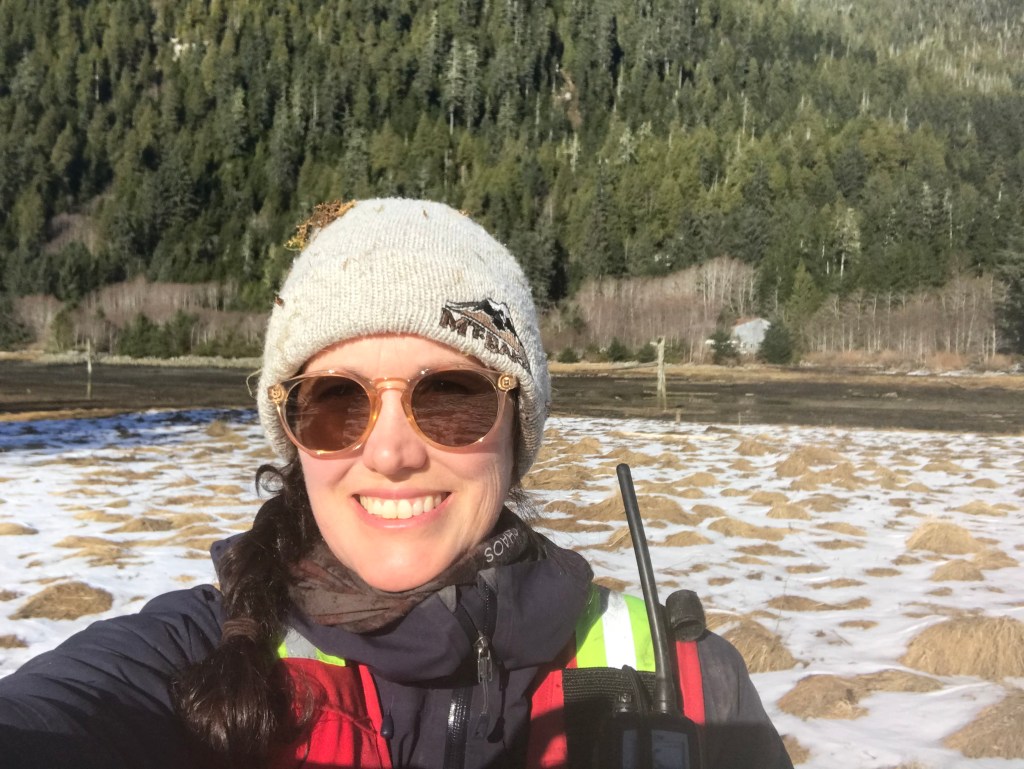
Sara Wickham
PhD Exchange Student
I am a PhD candidate on exchange from the Ecological Legacies Lab (Dr. Andrew Trant) at the University of Waterloo, Canada (but I live in British Columbia). My research is in collaboration with the Wuikinuxv Nation, an Indigenous community based in Rivers Inlet, British Columbia. We are interested in forest gardens and Pacific crabapple orchards – terrestrial plant communities that were cultivated by Wuikinuxv ancestors. They are biodiverse relative to surrounding forests and are rich in culturally important fruits, nuts, herbs, materials, and medicines. We have done work to catalogue where these gardens and orchards are located, and we are also working on a crabapple orchard restoration project using traditional Wuikinuxv cultivation methods.
Manon Langonné
Guest Masters student
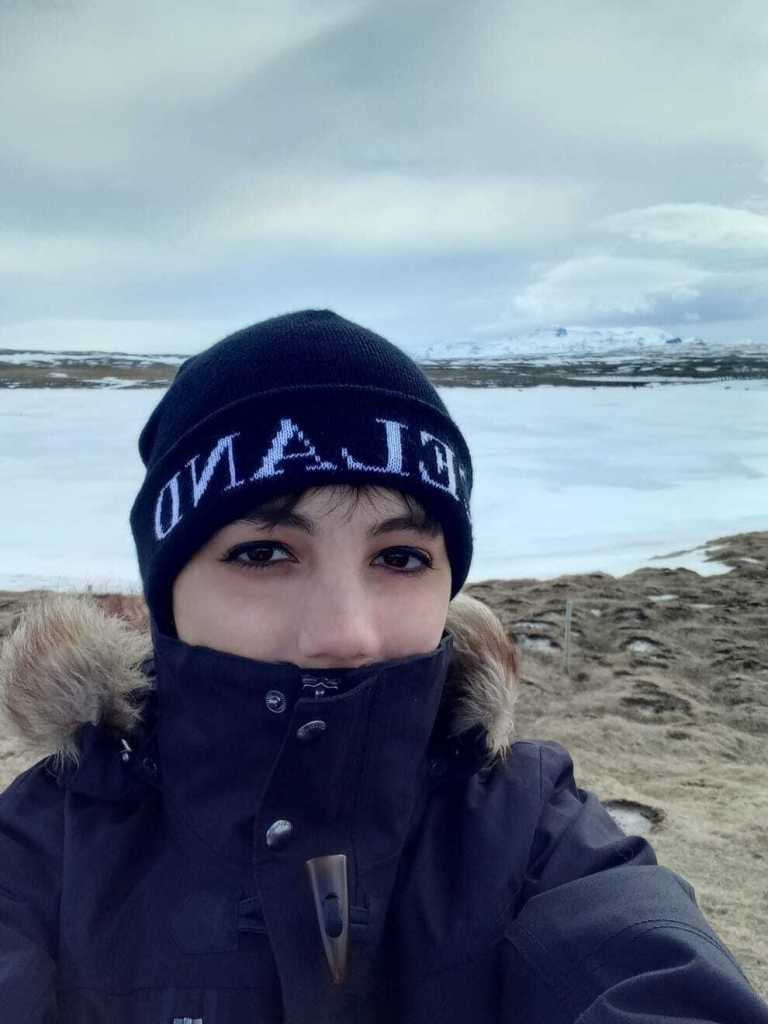
Being deeply sensitive to global warming and ecology, I decided to make it my calling. I fell in love with the Arctic some time ago and became even more captivated by it after spending five months in Iceland. There, I worked on invertebrate biodiversity in the Icelandic tundra. Throughout my academic journey, I have specialized in biology, ecology, climate science, data analysis, and software tools to carve out a path in the vast polar research field. My engineering education has further fueled my curiosity about environmental sciences, leading me to pursue a simultaneous master’s degree to strengthen my expertise in this area.
My research focuses on how microclimates does impact local biodiversity in Svalbard, Greenland, and Sweden. Supervised by Anne and working on a topic partially related to Kai’s, my goal with this final placement is to deepen my understanding of the complex climate dynamics in the Arctic region.
If you’re looking for my desk, just follow the trail of polar bear miniatures and white cat fur. I’ll be nearby
Ellinor Delin
Research assistant
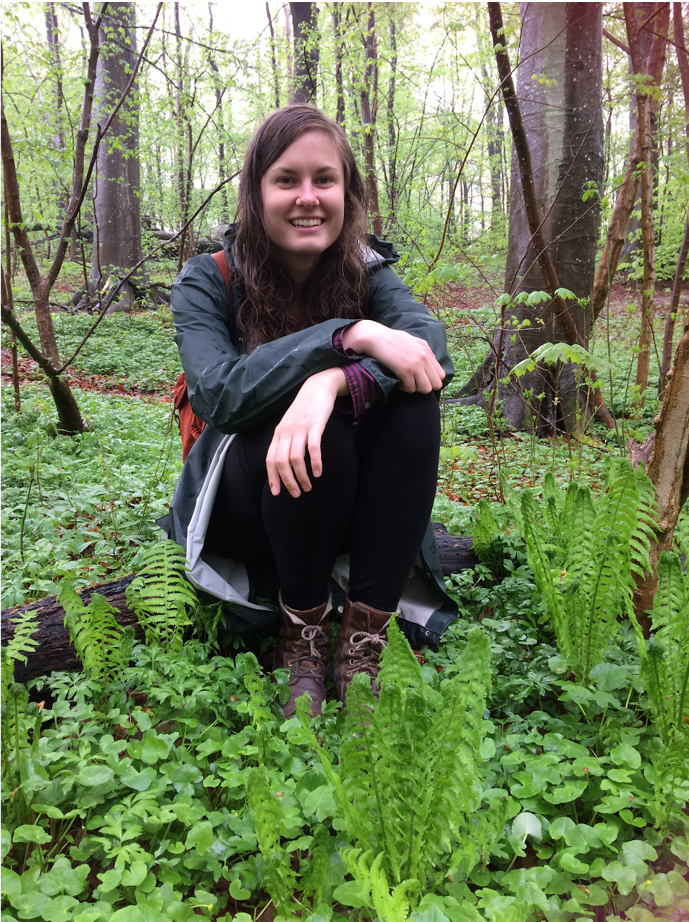
I did my master thesis in the group, where I studied the effect of forest fire on the plant species composition in a boreal forest. Now I’m working as a research assistant. I’m really interested in plants in general: why different species grow in certain places, how they have evolved and how they function. My home habitat is the boreal forest, but I also love Arctic environments.
Nicklas Albertsson
Masters Student and research assistant
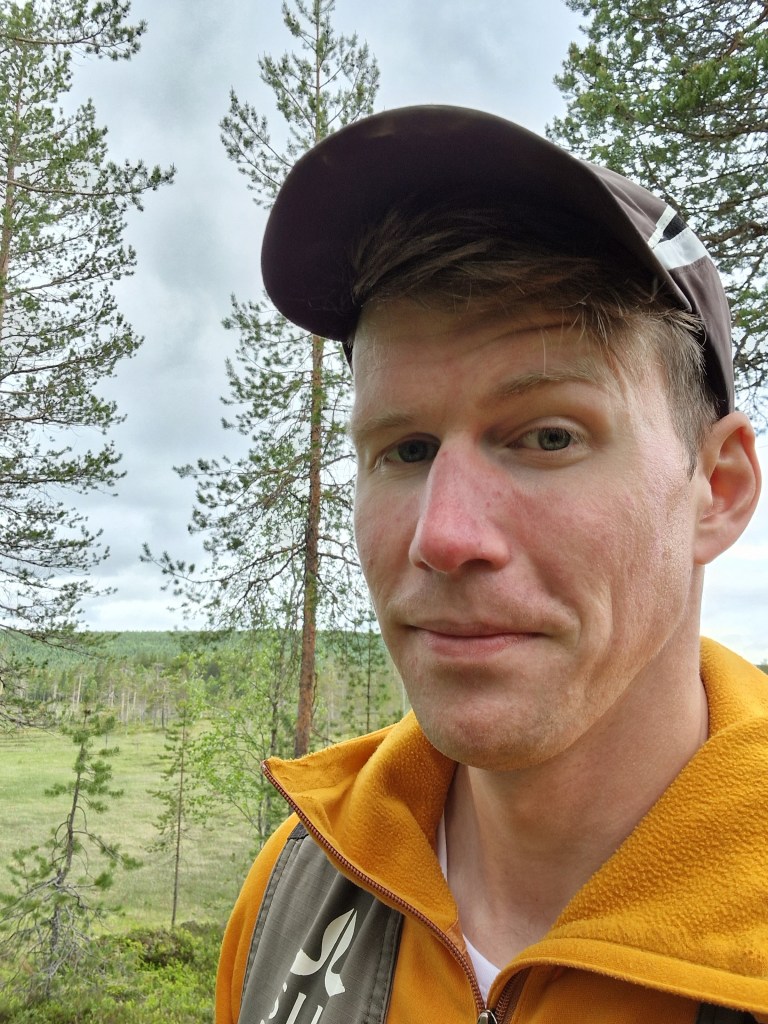
Spending the 2023 summer season in Svalbard and Greenland working as a research assistant and gathering data for my own project. My project will focus on whether plant community composition change with recent climate change matches predictions based on responses to experimental warming and spatial variation in temperature. I have a few years of work experience since my bachelor’s in a national monitoring program (NILS-fältinventering) and as a nature guide in Hemavan. I spend a great deal of my free time rock climbing and it has also, somewhat accidentally, turned into a side career with some part-time work climbing around on the roof of concert arenas and hanging in ropes fixing stuff on the outside of buildings.
Vito Belfiore
Guest master student
I am currently pursuing a Master’s degree in Evolutionary Biology at the University of Lille, France. Following this program, I aspire to continue my studies by pursuing a Ph.D.
I grew up in New Caledonia, a rather warm and tropical island with numerous ecosystems that are as unique as they are fragile. It is likely through observing these ecosystems throughout my life and witnessing the damage they could suffer due to direct or indirect human influence (such as climate change) that my desire to take action (or provide the necessary tools for informed action) to protect fragile natural environments was born.
Thus, it may seem surprising to see me come from such a distant place in the south to take an interest in an environment as radically different as that of polar regions and the tundra. However, I believe these regions share many similarities, such as the sensitivity of their ecosystems and biodiversity to changes in temperature and habitat.
Therefore, by doing my internship here, at the EDGE Lab, “Ecological Dynamics at Geographic Extremes,” I hope to understand what it really is to be a researcher while learning more about how research can be conducted in an environment as extreme and sensitive as the tundra. Besides that, I love to go hiking, camping, and of course, rock climbing!

Helena Sundell
Masters student
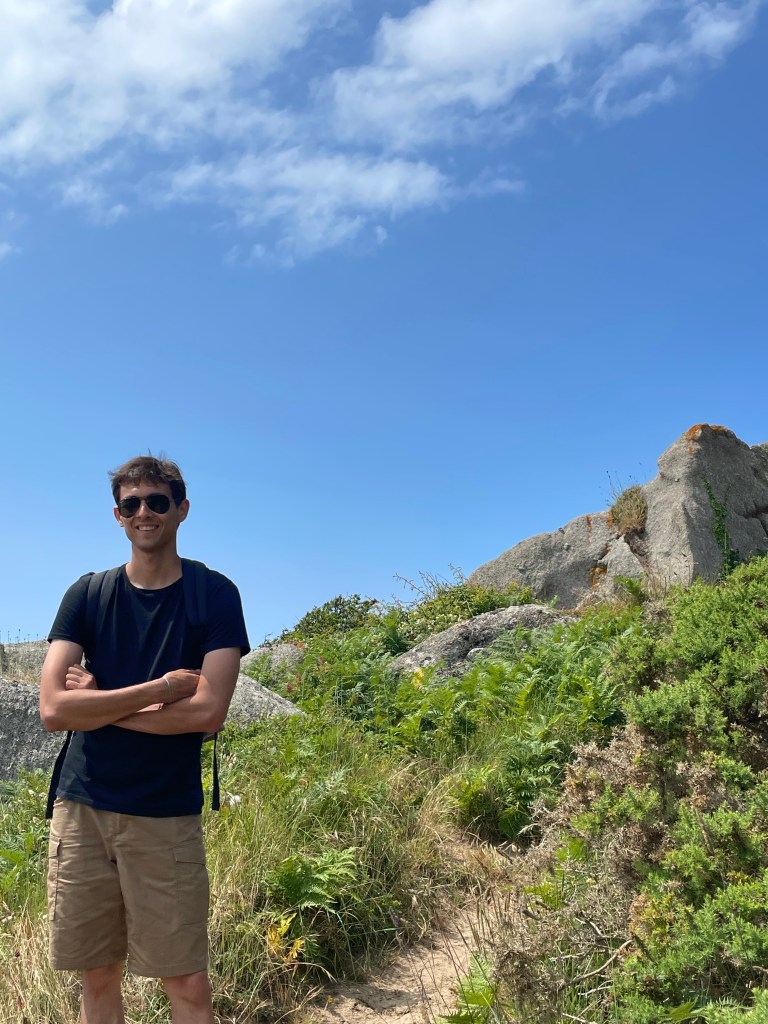
I am doing my masters project with the group, looking at the effects of warming on plant functional traits at community-level in arctic environments. My interest in arctic environments was initiated during a field course in Abisko and Narvik a few years ago – seeing more or less live how our changing climate affects the organisms living here, especially plant communities. Other than studying biology I have spent a year with complementary pedagogical studies and received a degree for teaching Biology and general science at high school level in Sweden. Outside of the academic world I have a background as a riding school teacher and have spent most of my life in the stables, preferably together with my two Border Collies as well.
Julia Osterman
PostDoc
I am an environmental scientist interested in bee ecology, crop diversity and social aspects of how to integrate pollinators into farm management. Understanding nature`s contribution to people and how to minimize harm to biodiversity, to bees in particular, is the center of my research. So, instead of working in geographical extremes, I am working in tremendously anthropogenic modified landscapes. For instance, I am looking into the effects of pesticides on different bee species and how to mitigate these effects. During my Postdoc, I want to explore global patterns of crop pollination and the potential effects of growing crops outside of their region of origin. I am passionate about mentoring, outreach activities, data visualization and nature conservation. Three kids are keeping me and my husband busy during our free time.
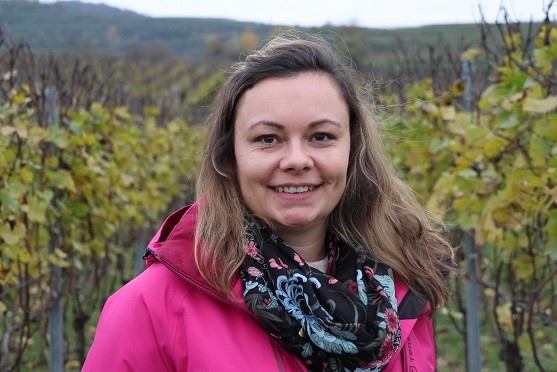

Jon Henn
Postdoc
My main interest is in understanding and predicting plant community responses to global changes like climate change, disturbance, and invasion. I try to answer questions using functional traits as a method to understand how plant responses to change might be mediated by their strategies and I hope that the results of my research improve our ability to manage and adapt to change in ways that promote diversity. I got to where I am because of a deep curiosity about how natural systems work. When I’m not doing science, you can find me knitting, baking, quilting, or exploring outside.
Selected publications
Henn, J. J., S. Yelenik, E. I. Damschen. 2019. Functional traits suggest mechanisms of species invasion change along environmental gradients. Oecologia. 191:2(397-409). DOI: 10.1007/s00442-019-04498-7
Ladwig, L. M., J. L. Chandler, P. W. Guiden, J. J. Henn. 2019. Extreme winter warm event causes exceptionally early bud break for many woody species. Ecosphere.10:1. DOI: 10.1002/ecs2.2542
Henn, J. J., B. J. Enquist, A. H. Halbritter, K. Klanderud, B. S. Maitner, L. Patterson, C. Potsch, R. Telford, Y. Yang, V. Vandvik. 2018. Intraspecific Trait Variation and Phenotypic Plasticity Mediate Alpine Plant Species Response to Climate Change. Frontiers in Plant Science. DOI: 10.3389/fpls.2018.01548
Konsta Happonen
Postdoc
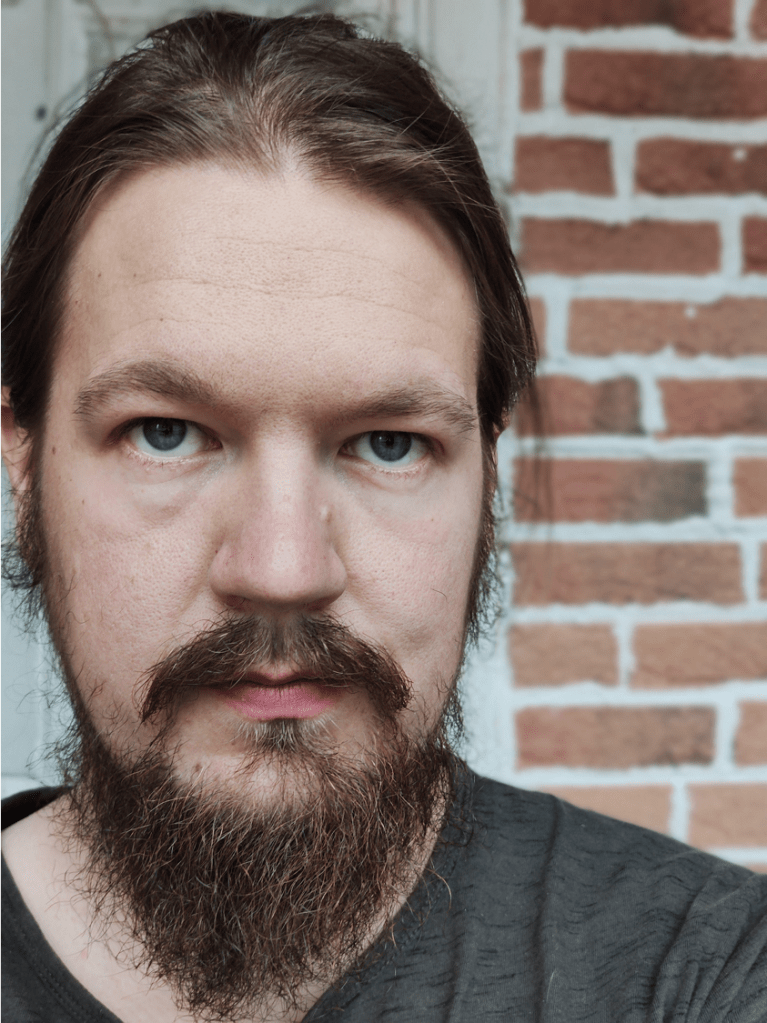
To get the boring definition out of the way: in my work I focus on how environmental selection affects the composition, diversity and functioning of plant communities – which makes me a (functional) plant community ecologist. My greatest sadness is that I have not yet found a way to include my love for bryophytes and nature conservation in my work, but maybe that time will come soon! The most common topic of my quite frequent rants is the abuse of statistical methods in research. On weekends you can find me cycling somewhere in the forest.
Selected publications
Happonen, K., Aalto, J., Kemppinen, J., Niittynen, P., Virkkala, A. M., & Luoto, M. (2019). Snow is an important control of plant community functional composition in oroarctic tundra. Oecologia, 191(3), 601-608 [open access]
Maliniemi, T., Happonen, K., & Virtanen, R. (2019). Site fertility drives temporal turnover of vegetation at high latitudes. Ecology and evolution, 9(23), 13255-13266. [open access]
 EDGE LAB