
We are a team of ecologists working to understand how global change is reshaping ecosystems and biodiversity across the Arctic and beyond.
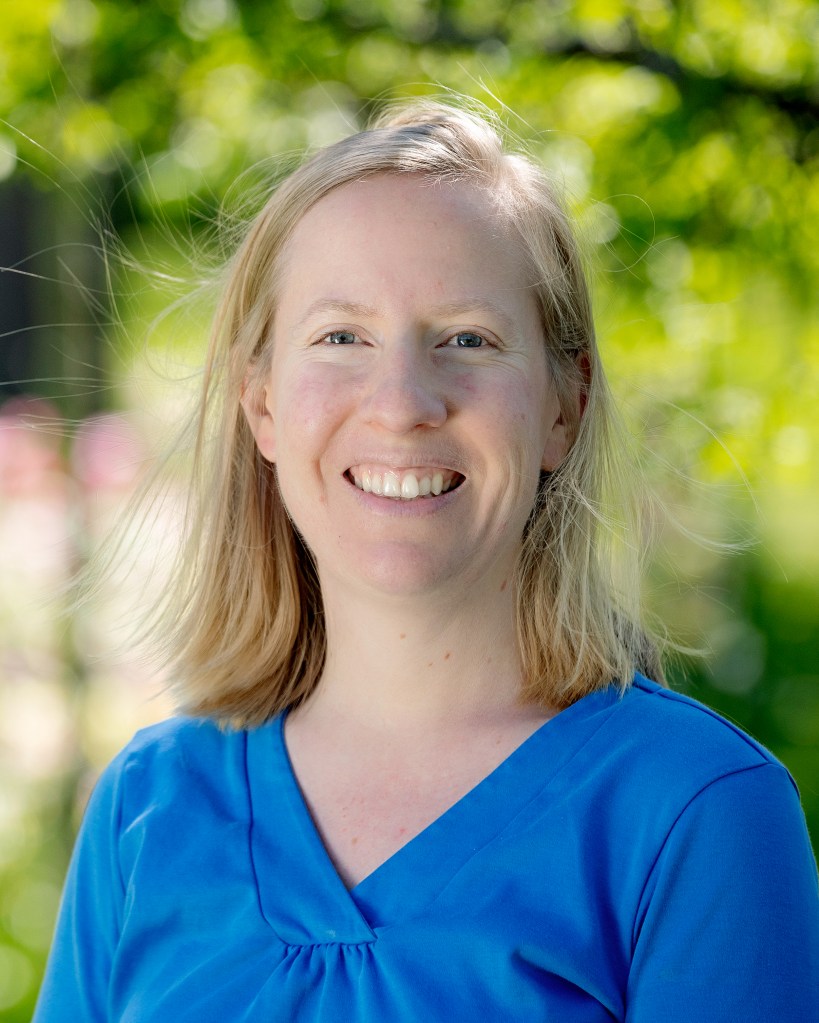
Anne Bjorkman
Senior Lecturer
I am primarily a plant community ecologist, but I get excited about research that spans a range of fields, including evolutionary ecology, conservation biology, historical ecology, and crop diversity. I am particularly interested in understanding ecological change over time, especially changes driven by human influence (land use change, climate warming, etc.), and I love working with historical and/or monitoring data to address questions related to how and why communities and ecosystems are changing. I feel most at home in Arctic and alpine tundra ecosystems, but I have also worked in, and loved, the temperate forests of Europe and North America, wetlands in New York and oak savannas in the Pacific Northwest (plus a bit of time in my youth chasing white-faced monkeys in Costa Rica and lance-tailed manakins in Panama). When not occupied with science, I enjoy a chaotic life with my 2 sons, husband, 2 cats, and border collie.
Geerte de Jong
PhD Student
My main research interest is the impact of climate change in the Arctic, currently focusing on phenology as a main indicator of these changes. I am really interested in the systems and feedbacks in the Arctic tundra. These extreme ecosystems are so intricate and there are many processes at play. I am a very curious person and try to understand how these processes are changing in a global changing climate. I am really grateful that I get to be out in these beautiful places and contribute to science along with many wonderful people around me. Besides science, I get really happy about snow, music and being outside with friends.
Selected publications
Ahlström, A., De Jong, G. E., Nijland, W., & Tagesson, T. (2020). Primary productivity of managed and pristine forests in Sweden. Environmental Research Letters, 15(9), 094067. [open access]


Katrín Björnsdóttir
PhD Student
My main research interests include plant community changes and how they vary across different environmental conditions. In addition, I am fascinated about the soil environment and aim to link plant-soil interactions and ecosystem carbon cycling processes within my research. I am passionate about learning more about how our planet responds to the changing climate in a warming world and for that, in my opinion, the Arctic is the perfect place to work in. My greatest joy is to be able to work and spend my time in extreme environments among the tiny Arctic plants.
Kai Sattler
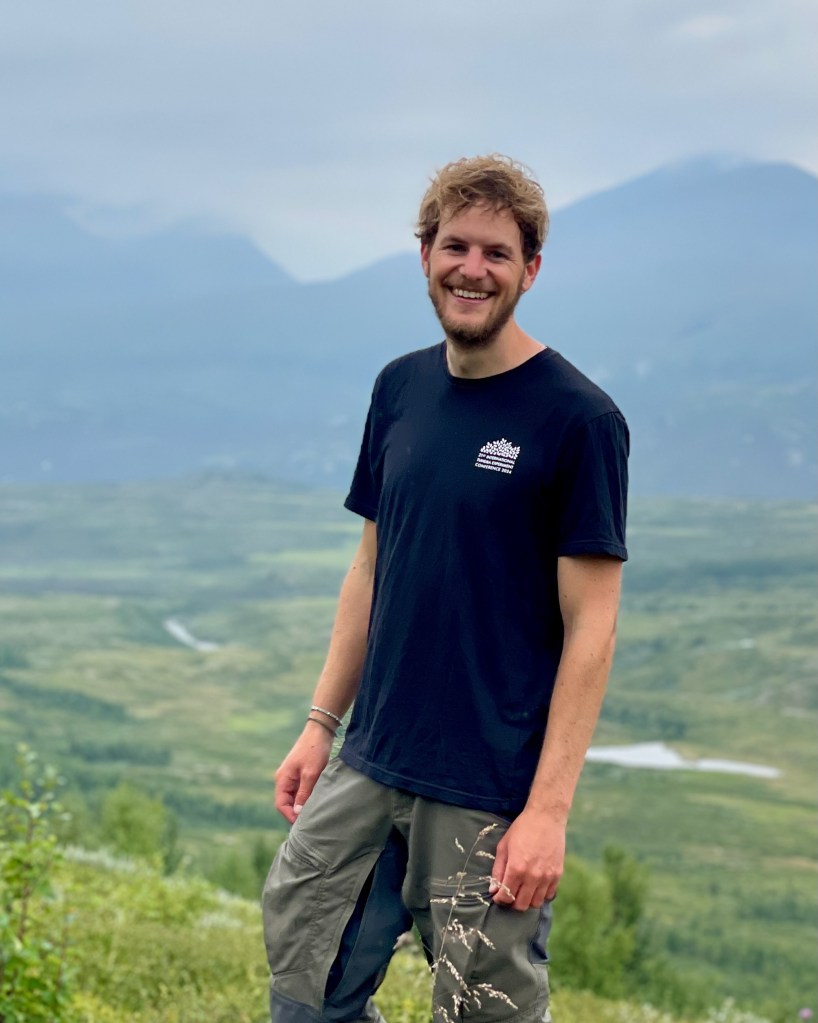
PhD Student
My research focuses on how Arctic plant species adapt or shift their ranges in response to climate warming, using reciprocal transplant and common garden experiments.
While I’ve ventured into various ecosystems, from the lush rainforests of Costa Rica to the temperate forests of Europe, it was my experiences in Abisko and Greenland that sparked my passion for the Arctic, where I witnessed the profound impacts of climate change firsthand.
Drawing from my background as a science teacher, I’m driven by understanding the nature around us and sharing my knowledge and enthusiasm with others. I firmly believe that comprehending our impact on the environment is essential for developing solutions and driving positive change.
When I’m not busy tinkering with plants and experiments, you may find me climbing walls, engaging in fierce spike ball matches, or exploring the woods in pursuit of birds and bats.
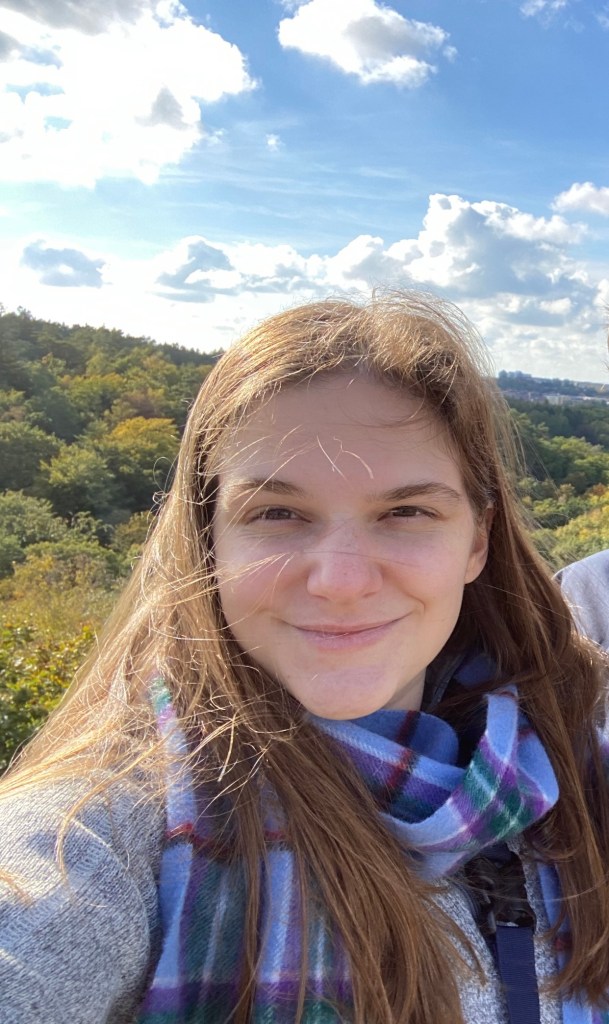
Alexandra Barry
PhD Student
I have a background in plant ecophysiology and climate-growth relationships. My current research focuses on the effects of warming and other environmental changes on the productivity of plant communities in the Scandinavian Arctic. As this biome warms faster than any other on the planet, it is still unclear what the impacts will be on the seasonal growth and life stages of vascular plants of the Arctic tundra. How might the ability of these ecosystems to capture and store carbon change as plants respond to warmer temperatures? Are there certain plant traits that predict success and a more productive growing season under elevated temperatures, and how might these traits and subsequent responses vary among populations from the high Arctic to the Scandinavian boreal forest? I plan to use laboratory and growth chamber experiments and observational studies of plant communities in the Swedish Arctic to contribute to answering these questions. If I’m not at work, you may find me biking, baking, or taking care of houseplants.
Maria Pavolotskaia
PhD Student
I am fascinated by the plants in all their shapes, colors and crazy habitats they thrive in! I feel happiest when I can be out and see new species or the same old favorites from a new angle. My research focuses on plant reproduction and pollination in the context of climate change. By replicating a historical study, I aim to investigate how bumblebee populations have changed over the past decades, and how their foraging preferences for pollen and nectar sources may have shifted. In addition, I will use time-lapse cameras, pollination experiments, and field observations to examine patterns in plant reproduction, seeking to understand how these are influenced by pollinator availability and shifts in phenology.


Deanne Redr
Guest PhD Student
I am a PhD student at SLU in Uppsala in Tomas Roslin’s research group. My research concerns Arctic plant-pollinator networks as well as the microbiome of flowers and rhizosphere of key flowering species in these areas. Half of my project utilizes plant-pollinator time series data spanning 25 years at Zackenberg, Greenland and detailed plant-pollinator interactions at the Canadian High Arctic Research Center. The other half looks into how pollinators influence microbes (or vice versa) in the flowers and tissues, all the way down to the rhizosphere between different plant species in the same High Arctic areas. These data will generate a multi-tier network of interactions.
I am working on a collaboration with Anne, focusing on Dryas and the pollinator/seed set data from my project as well as microbial data. I just moved to Gothenburg this summer with my husband, daughter, and cat. In my spare time, I enjoy sourdough baking, playing folk music on my autoharp, watercolor painting, and exploring the outdoors.
Vanessa Quaye
Masters student
I am a biology master’s student, studying plant–pollinator interactions. My thesis focuses on identifying pollen samples collected from bees to determine plant visitation patterns and on comparing these results with data from 30 years ago to track changes over time.
I have a background in botany and microbiology, with previous experience working on Mycobacterium tuberculosis samples in a Biosafety Level 3 laboratory at the Noguchi Memorial Institute for Medical Research in Ghana. I am particularly interested in expanding my skills beyond microbiology into ecology, pollen identification, and coding for ecological data analysis.
I love to bake and explore Swedish recipes, and I also love spending time at the beach.
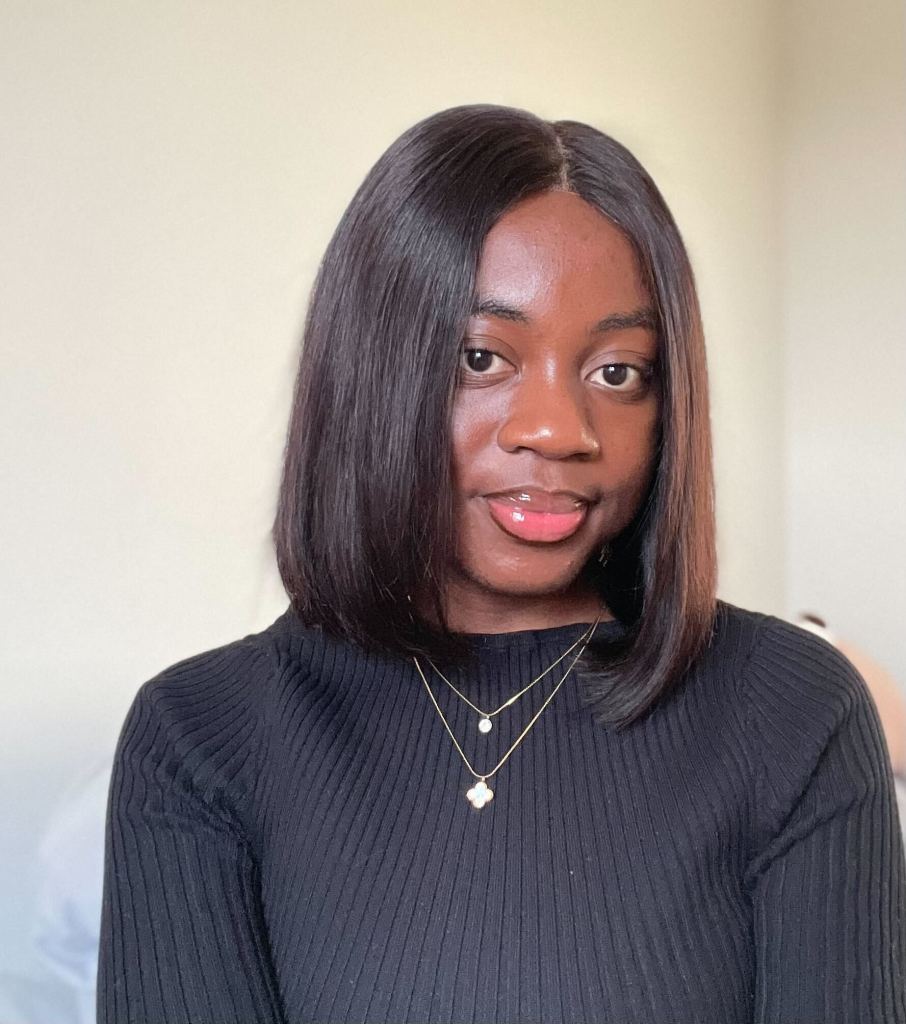
Nathan Gatt
Masters student
I am a masters student, carrying out a germination study on Silene acaulis. The aim of my thesis is to identify traits that may offer a survival advantage in the face of climate change. This will also give us a better understanding into the degree of phenotypic plasticity and genetic adaptation found amongst populations from varying microclimates. I have a Bachelor’s of Science in Biology from the University of Malta, and I am very passionate about botany and habitat conservation, particularly in the Mediterranean. I have also been involved in conservation efforts in Malta, where I co-run a plant nursery focusing on rare indigenous species.
Maija Tupala
Masters student
I am a master’s student doing my thesis within the Oak project, where I study the long-term effects of conservation thinning on oak regeneration by comparing present field data with data from the early 2000s. I did my bachelor’s degree in environmental science in Gothenburg and studied plant diversity in alder swamp forests. During that time, I got more interested in conservation biology which I’m now studying for my master’s. Other than different forests, I’m also interested in conservation of grasslands.


Camila Pacheco Riaño
PostDoc
I am a computational ecologist and biogeographer. As a researcher, I focus on understanding how plants respond to climate change in mountainous and cold regions worldwide. I’m particularly interested in using big data analysis and synthesizing global processes to understand better how biodiversity is distributed across space and time. Although my work has primarily centered on the Neo-tropics, I also have experience working in Forest, Alpine, Tundra, and Mediterranean ecosystems. While my research heavily involves working with models and on computers, I also love doing fieldwork and exploring new places. There’s nothing quite like getting out into the natural world and seeing the species I study up close! When I’m not working on my research, I’m an avid video gamer and love hiking and photography.
Wilhelm Osterman
PostDoc
I am interested in how climate change impacts the Arctic vegetation communities, considering a broad range of taxonomy of bryophytes, lichens and vascular plants. The species diversity relationship in the arctic between these three groups is reversed in the tundra compared to other biomes, with lichens being the most species rich group. However, lichens are also often recorded to be the most sensitive group responding negatively to warming. I am also interested in how warming may come to change traits we associate with arctic plants, such as functional traits (size-related traits), self-pollination, and polyploidy.

Anna Pielach
Research engineer
I am a research engineer supporting the activities in the EDGE group. My background is in botany and electron microscopy. I have an active interest in bryology and I am a member in the Swedish expert committee for red listing of bryophytes. Practical meadow conservation by scything is another big interest of mine and the scything community in Sweden is very active and knowledgeable. Are you bryophyte- or scyte-curious? Reach out
Ronja Sichting
Intern
I’m a bachelor’s student from Germany currently staying for an internship at the EDGE lab. I’m helping out on a project concerning plant transplant experiments and common gardens in the arctic by conducting germination experiments which I will analyze in my own bachelor’s thesis afterwards.
When going hiking I usually take double the time anticipated because I am fascinated by the world around me. To get a better understanding of it and to pursue my curiosity I started studying environmental sciences and I am taking this internship as an opportunity to get a glimpse into research on arctic ecosystems and plant strategies.
When I’m not looking at plants, lichen, bugs etc., I like to draw and play the guitar.
Nayana Elthuruth Kanjiraparambil Venu
Intern
My background is in Botany and Applied environmental science. For my Masters thesis I studied effects of heat treatment on rhizome viability of Reynoutria sachalinensis which is an invasive alien species posing threat to native biodiversity, ecosystem and infrastructure. During my internship at EDGE LAB, I am eager to study impacts of climate change on Arctic plant communities and also to expand my knowledge in growth chamber experiments.
Besides being excited about nature, I love to take long walks and read fiction.
Mikael Helander
Research Assistant
Master student with a special and broad interest in evolution and plants who now have slipped down into the underground and are working on some wonderful roots for the moment. Like being out in the wilderness, the wilder the better. Had a life before the university and amongst other things has a background as a plumber and a carpenter and still has a love for fixing broken stuff.
 EDGE LAB